Thursday, December 15, 2011

Why your Fireplace Needs a Fireback

Not only do fireplace firebacks add a touch of history, romance, and practicality to your fireplace, they are also both functional and decorative.

What can a fireback do for your fireplace?
  • They retain and radiate heat from your fireplace back into your room. Which will keep your home warmer and help save more on your heating bill.
  • The prevent and conceal damage to the firebrick in the rear of your fireplace. Fireplaces, despite how far materials in home building have come since the earlier years of fireplaces, are still vulnerable to damage from the intense heat that a fire gives off, the fireback will help to prevent expensive damage to your fireplace's masonry.
  • Firebacks can be used with both wood fires or gas logs.
Interested in owning a fireback for your fireplace? How do you know what size you need?

In choosing a size for your fireback you will need to be sure that it is large enough to protect the area directly behind the fire. But it does not need to be so large that it extends into the flue. A fireback that extends into the flue can cause problems with the draft and also interfere with the damper in your fireplace.


At woodstove-outlet.com we have a beautiful selection of firebacks for fireplaces.

Friday, December 9, 2011

How to Prevent a Flue Fire

Tis the season to snuggle up next to a warm fire. But that romantic notion can easily be shattered and lost if a flue fire starts. How can you prevent a flue fire from happening? Well the first step is to know what causes a flue fire.

Flue fires are typically created by creosote build-up. Creosote is a very thick, sticky liquid that will stick to nearly anything. The burning of wood causes the creation of creosote naturally. Creosote is naturally very flammable and its appearance can vary from being be sooty or ash like, sticky, tacky, and runny tar glaze, dry honeycombs or curly flakes. It can also be a dense, hard, and shiny black tar glaze.You should be sure to clean your chimney and flue every year to remove creosote build up from the previous winter's fires, you will need a chimney brush to help in cleaning. If you do not feel comfortable cleaning it yourself, you can hire a local chimney sweep.

There are also things that you can do when it is the season to be using your wood stove or fireplace that can also help in preventing a flue fire.

When first building a fire, make a small, very hot fire, this will create a good updraft so that there is less buildup on the flue. (For more info read: How to Start a Fire in a Woodstove)

Always, burn wood that is well seasoned and/or dry. (For more info read: How to Season Firewood)

Avoid burning large amounts of paper and cardboard, using them to start a fire is fine, but do not burn more than you need. Wood stoves and fireplaces are not meant to be trash burners. Certain types of material will cause a much larger amount of build up in your flue than others.

Another little tip is to toss a handful of salt thrown on the flames occasionally, it will help loosen the soot. You should do this once or twice a month.

Try not to use extremely pitchy wood for anything other than starting the fire, as this wood will create more build up. Sometimes it cannot be helped, but be aware that by using this type of wood that you will have more creosote build up.

If you do have a flue fire, do not panic, call the fire department, and do not pour water into the firebox (this can have explosive results). You can pour salt or use a foam style fire extinguisher. But first and foremost get yourself and your family to safety. Things can eventually be replaced. Lives cannot.


Monday, December 5, 2011

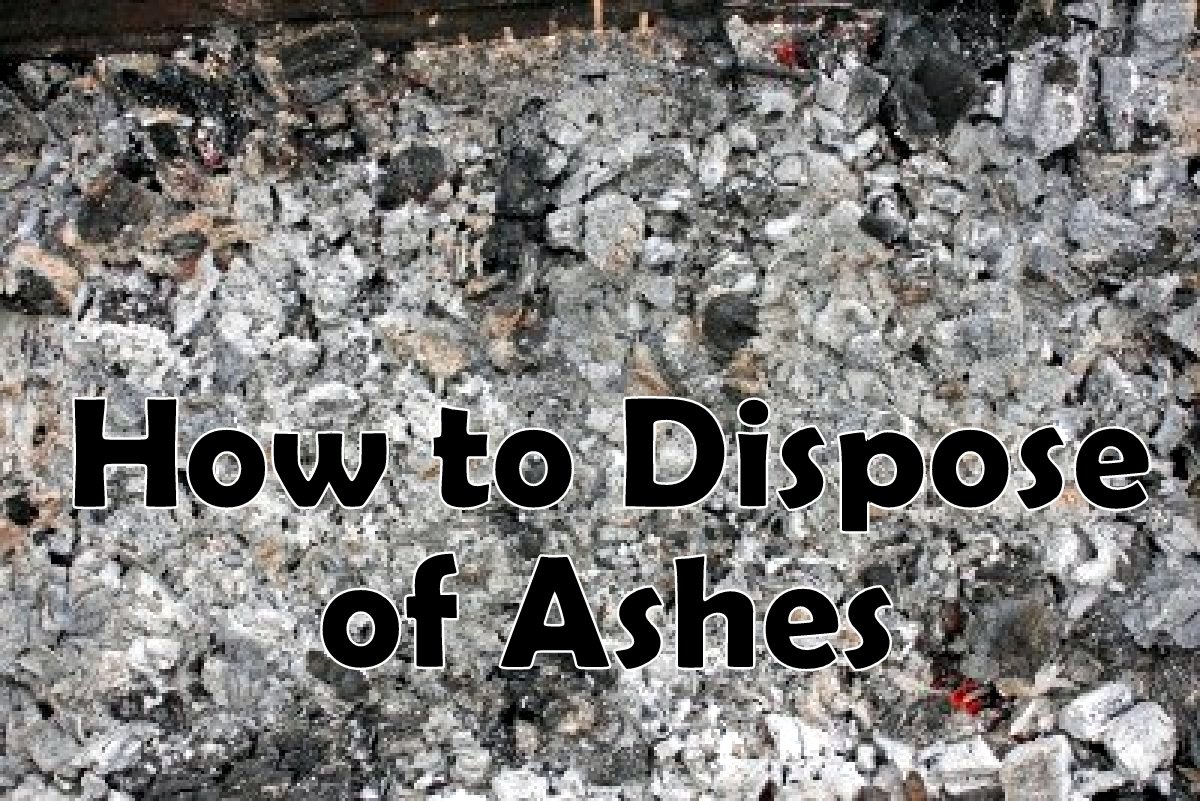
How to Properly Dispose of Ashes from Wood Stoves & Fireplaces

While browsing the internet, I came across a news article dated 11-23 which was titled, "Forest Service urges proper disposal of woodstove and fireplace ashes"


Apparently there have been some forest fires due to some people disposing of wood stove ashes improperly. And there have been home fires that have started because of improperly stored fire ash.


Hot coals can hide amongst the ashes and stay hot for up to 4 days (sometimes longer). These coals were once used to reignite fires when people did not have an easy way to light a fire. But now these coals are a danger to our forests, fields, homes, and more if they are tossed out while still hot.


So what should you do with those ashes from your fireplace or wood stove?
Ash Containers are a great way to store hot coals and ashes from a fireplace or wood stove.  It is recommended to add a little water after putting ash in to be sure that any hot coals are extinguished. The ash should be stored away from anything flammable in case any cinders happen to escape. Be sure the lid on your ash container is tightly on.
Once you are sure that your ash is no longer hot, and that there aren't any coals still burning, there are a few things that you can do with your ashes.
  • Use your ash around plants that thrive in alkaline soil. 
  • Mix with water to make a paste to clean wood blemishes and water rings on wood.
  • They can be sprinkled around the perimeter of your garden to repel slugs and snails.
  • You can add them to your compost pile.
If you are safe with your wood stove and/or fireplace ash, then you can help prevent accidents from happening.


Stay safe and warm this winter!


Wednesday, November 30, 2011

How do Fireplace Bellows Work?

Fireplace bellows are very beautiful tools. They have been around since 930 B.C. Their design has stayed fairly well the same over the years with a few improvements made, particularly in the 1600s.


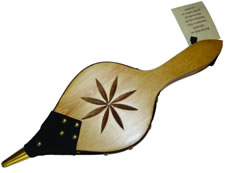
A fireplace bellow works as a single air pump tool. They are triangular shaped and consist of an air chamber and a valve. Grasping the handles and pulling them apart fills the chamber with air, while press the handles back towards each other directs the air out of the valve or nozzle.

This air flow can be used to get a fire going, as fires need a little air (oxygen) to get started well. Using a fireplace bellow is much safer than manually blowing on the fire as you have to get too close to the flames to make much of an effect on them.

Friday, November 25, 2011

How to Start a Fire in a Wood Stove

Wood stoves can be a little tricky when it comes to starting a fire in one. But it can be done.

Materials:
  • Newspaper
  • Cardboard in 2 inch strips
  • Kindling
  • Small pieces of firewood
  • Matches
Take 4 or 5 pieces of the newspaper and separate them, bunch them up and lay them on the bottom of the firebox bunched near the door.  Lay a couple of the 2 inch cardboard strips over top of your newspaper, then place some of the kindling on top of the cardboard. Lastly, place 1 or 2 small pieces of the firewood on top. Be sure they are smaller and not much over a 2 inch diameter.

Open your stove vent all the way and start your fire. Once your small pieces of firewood have caught fire and burned for several minutes you can add a couple more pieces of firewood. Using a fire poker, or other wood stove tools, you may want to carefully bunch and turn the debris in the wood stove before adding the larger pieces of wood. Keep your stove's vents open until the larger pieces of wood are well ignited and then you can adjust them to your desired heat output of the stove.

It is said that wood stoves work best when they are used in cold weather (32 degrees and below) and for longer than 1 hour.


For more information on Firewood Visit:
How to Cut Firewood
How to Season Firewood

Sunday, November 20, 2011

How to Decide on a Chimney Brush

Every chimney is a little different. This is part of the reason why there are so many different sizes and types of chimney brush. So, how can you tell what size of brush and type of brush bristle you are going to need?

First you will need to know the inner dimensions of your chimney. There is only one way to find this out. You, or someone who can do this safely, will need to climb on top of the roof and measure the inside of the chimney (be sure that there are no fires burning at this time so that there will be no heat or smoke to contend with). Use proper safety precautions and equipment while doing this task.

If your chimney is metal or prefabricated then you will need to remove the chimney cap so that you can measure across the inner diameter of the chimney. With a metal chimney, a poly chimney brush is recommended so that it will not scratch or damage the interior of the chimney.

If your chimney is a masonry chimney then you will need to measure the flue's inner dimensions across both sides. The brush that you purchase will need to be a minimum of as big as the chimney liner or it will not be able to reach both sides of chimney, resulting in a poor job cleaning. However, you will want to be careful not purchase too big of a chimney brush either as this will make cleaning your chimney a very difficult task. Typically, wire chimney brushes are recommended for masonry chimneys.


Tuesday, November 15, 2011

How to Season Firewood (How to Dry Firewood)

Firewood can be a little tricky. You can't just go pick out a tree in the forest, cut it down, and burn it right away. That wood needs to be seasoned or dried before you burn it in your wood stove.

Why does firewood need to be dried?


Firewood that has not been dried has moisture in it.  When wood has moisture in it, the heat from your fire goes towards heating up that water and burning it off (or evaporating it) which makes your fire not burn quite as hot as it should. In addition to your fire producing less heat, your stove is producing condensates. These condensates are what can result in a chimney fire. And this is a very dangerous scenario.

So what can you do to avoid chimney fire causing condensates?


You can season your firewood. In most scenarios, to season/dry your firewood, you would cut and split it in the spring to small manageable pieces and allow it to air dry throughout the spring, summer, and early fall. (Until it is cold enough to need to fire up your wood stove again). Some people prefer to give their wood even longer to season, letting it air dry for up to 2 years. This length of time is preferable if the pieces of wood are large. The bigger your firewood, the longer it will take to dry out. This is why if you do not have 2 years to allow your wood to dry then you should split it into smaller pieces.

While your wood is seasoning, you will want to keep it out of the elements (snow and/or rain) and up on a dry base. If you have your wood in a shed or storage building to season, you will need to have it to where wind and air can pass through to help dry out the wood by wicking away the moisture.

How do I know if purchased firewood is seasoned?


If you are purchasing your firewood from someone, then one way to tell if it is seasoned is if there are cracks in the grain on the end of the pieces of firewood.

Related Posts Plugin for WordPress, Blogger...