When cooking on a wood stove you will want to use appropriate cookware. As most people have found using cast-iron cookware on a wood stove is the best method. Cast-iron cookware is easy to care for and it is designed to provide even heating to the food that you are cooking. With proper care and treatment you can stave off rust and keep your foods from sticking to the metal.
To treat your cast-iron cookware it is recommended to coat the pan with vegetable oil and heat for about two hours in a 300-degree Fahrenheit oven. You will need to keep a check on your pan during this process to see if the oil has been absorbed or if more oil needs to be added. Once the pan is done let it cool and then wipe off any excess oil.
To clean your cast-iron cookware after using it, you will want to clean it with a paper towel and use salt for any stuck on foods or stubborn spots. Most people try to avoid using soap or detergents as it takes off the oil or seasoning of the pan.
To cook on a wood stove you will need to keep in mind that the technique can vary depending on the type of fuel that you use in your wood stove. If you use coal there is a great amount of heat that will be emitted. With any fuel the heat will not be distributed evenly on your stove's surface.
To keep foods from burning or not cooking enough you will have to move the pots around, if a pot is boiling to much you will need to move it to a cooler area of the stove or set it up on a wood stove trivet. If you have a pot that needs to boil but isn't, place it directly over the area of the stove where the wood or coals are burning at their hottest. This area tends to be the stove top's center.
Now that you have an idea of how to cook on a woodstove, your imagination and culinary preferences will be your guide in taking these steps to the next level.
Friday, September 2, 2011

Wednesday, August 24, 2011
How to Polish a Woodstove (Cast Iron)
If your stove has aged some and isn't as pretty as it once was, you might want to consider investing in some woodstove polish.
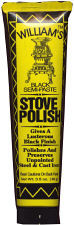 Wood stove polish has natural waxes in it that protect and nurture the metal that the stove is made of.
How to polish:

How to polish:
- Get a good polish. Williams Stove Polish or Rutland Stove Polish Paste are two good ones. (Be sure to read the directions that come with these to be sure they are not different from these instructions. If they are it is best to go with the manufacturer of the product's instructions).
- Procure some latex gloves, as this polish can stay on your hands quite well.
- You will probably want a quality paint brush to apply the polish with. You don't want bristles falling off onto the stove. (The brush will come in hand to get small or detailed areas on the stove). Oh and you'll also need a nice clean lint-less towel. I've used the old cloth baby diapers for projects that need to have no lint left behind, with good results in the past.
- Apply polish to your stove per the package instructions.
- Once the polish is dried if you so choose you can hand buff the stove for a lovely shine.

Wednesday, August 17, 2011
Adjust your Woodstove's Door
So now that you know How to Change a Wood Stove Gasket, you might need to take a look at the door on your wood stove to be sure that it doesn't need to be adjusted.
If your wood stove door seems to be loose then it needs to be adjusted. Now how does one go about doing this?
It is a fairly simple process in all honesty.
If your woodstove's door is loose that means you are not getting the level of efficiency that you should have and that soot will build up faster. This time of year is a good time to test the tightness of the seal between your door and stove, since your stove needs to be cooled down in order to test it. Take a dollar bill and place it along the door seal; now, close the door and try to pull out your dollar. If the dollar slides out easily then that is a good indicator that your door is loose. If the door is loose the latch needs to be adjusted. After adjusting your latch test the door using the dollar bill again. If the dollar still slides out and you haven't changed your woodstove gasket then you will want to look into replacing your gasket.

If your wood stove door seems to be loose then it needs to be adjusted. Now how does one go about doing this?
It is a fairly simple process in all honesty.
If your woodstove's door is loose that means you are not getting the level of efficiency that you should have and that soot will build up faster. This time of year is a good time to test the tightness of the seal between your door and stove, since your stove needs to be cooled down in order to test it. Take a dollar bill and place it along the door seal; now, close the door and try to pull out your dollar. If the dollar slides out easily then that is a good indicator that your door is loose. If the door is loose the latch needs to be adjusted. After adjusting your latch test the door using the dollar bill again. If the dollar still slides out and you haven't changed your woodstove gasket then you will want to look into replacing your gasket.

Monday, August 8, 2011
How to Replace a Woodstove Gasket
Okay, so you read over how to winterize your home and have come to the conclusion that your wood stove needs a new gasket after you serviced it. So how exactly does one replace a wood stove gasket? Well you are in the right place to find out:
If you serviced your wood stove and are unsure as to whether the gasket needs to be replaced are not, there are some tips:
First you will need to look at your stove's information or user manual to see what size and type of wood stove gasket you need.
Then you will need to use a screwdriver and pry and scrape out the old gasket and clean the door's surface thoroughly with a wire brush.
Then you will apply a bead of high-temperature cement using a caulking gun. Now you will embed the glass-fiber door-gasket rope. Close the door and secure it to allow the gasket to cure. Follow your gasket's instructions (they should be found on the label).
If you serviced your wood stove and are unsure as to whether the gasket needs to be replaced are not, there are some tips:
Take a piece of paper, stick it in between the gasket on your stove, then try to pull it through. You should feel resistance. If you do, your gasket is still good. However, if you can move it in and out (or up and down) the seal is not tight enough and you need to replace your gasket.
Monday, August 1, 2011
Time to Start Winterizing Your Home!
So the weather has been over 90 degrees in most places and the thoughts of winter are far from most people's minds. But that doesn't mean that you shouldn't be preparing for the upcoming winter months. Now is the time to get all those little (and big) tasks done:
If you have an attic you will want to check your insulation. If it is looking a little thin or sparse you will want to add some extra insulation. This will keep you from losing as much heat in the winter as heat rises and will escape through your attic if it is not properly insulated.
Add weather stripping around doors and windows.
While you are adding the weather stripping, check for cracks around your doors and windows. You will need to caulk these.
Outlet gaskets are great to add to the outlets that are on the outer walls of your home. These gaskets help to eliminate drafts. Drafts are a great way for heat to escape from your home (and for cool air to escape through in the summer).
If you have a furnace you will want to clean it and replace the air filter. Dirty furnaces and furnace air filters can cause fires.
Service your wood stove. (This might include needing to change your wood stove gasket). If you are not comfortable cleaning your chimney and checking your wood stove over yourself, then you should be able to find a professional chimney sweep in your area that you can hire to do these things for you. Better safe than sorry.
If you have an attic you will want to check your insulation. If it is looking a little thin or sparse you will want to add some extra insulation. This will keep you from losing as much heat in the winter as heat rises and will escape through your attic if it is not properly insulated.
Add weather stripping around doors and windows.
While you are adding the weather stripping, check for cracks around your doors and windows. You will need to caulk these.
Outlet gaskets are great to add to the outlets that are on the outer walls of your home. These gaskets help to eliminate drafts. Drafts are a great way for heat to escape from your home (and for cool air to escape through in the summer).
If you have a furnace you will want to clean it and replace the air filter. Dirty furnaces and furnace air filters can cause fires.
Service your wood stove. (This might include needing to change your wood stove gasket). If you are not comfortable cleaning your chimney and checking your wood stove over yourself, then you should be able to find a professional chimney sweep in your area that you can hire to do these things for you. Better safe than sorry.
Friday, February 18, 2011
3 Fireplace Myths
There are some myths that have been floating around about fireplaces for some time now. Well, we want to help you out with a few, some are more truth than myth, other myths can be fixed with just a few tweaks to your fireplace, and the rest are just that; myths.

- To be green (or to save on my electric bill) I should never use my fireplace.
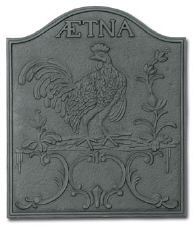
While it is true that fireplaces can suck a lot of heat out through your chimney, most of the time this can be resolved by using a fireback or installing a fireplace insert. A fireback maximizes the warmth of your fireplace and a fireplace insert decreases the amount of warm air lost by around 60%. - A fireplace is inefficient when operating.
Fireplaces actually lose more heat when they are not operating, due to leaks around the damper. This can be easily resolved by installing fireplace doors. Fireplace doors will help to add an extra barrier and seal your home from leaking out warm air or cool air (depending on the season). - It is okay to use unseasoned wood.
Unseasoned wood causes more problems that just taking longer to ignite than seasoned wood. Unseasoned wood can lead to creosote building up in your chimney at a much quicker rate than it normally would have. And a lot of chimney fires are due to creosote build up. A way to prevent this problem is to always use seasoned wood and to have your chimney inspected yearly by a certified chimney sweep.

Monday, February 14, 2011
Wood Stoves - A bit of history
I'm sure many of you have seen, used, or know someone who has a wood burning stove. These stoves have been around for quite some time, with Benjamin Franklin perfecting them in his design "The Franklin Stove" in the 1740s. Benjamin Franklin made the stoves more efficient, they heated homes more easily while still using less fuel. However, these original stoves were made for primarily heating the home. Free standing stoves, that had flat tops ideal for cooking upon, came a little later. Cast iron cookware was and is still used upon wood burning stoves for cooking. This freestanding design was quite popular due to the ability to cook upon it, and it is a design that is still used today.
The use of a wood stove has not much changed since its earlier uses. In order to use one you will need to build a fire inside the oven, and if your stove has a flue it will need to be opened in order to allow for the smoke to go up through the chimney and out of your home. After you get your fire going, you will want to securely shut the door on the front of the stove to keep the fire contained. You will need to adjust your grate so that the fire will die down a little as a fire that is burning too hot can damage the stove.
Fuel is wood, and there are many aspects you will want to keep in mind as you are choosing the type of wood you want to use for your wood fire. Some woods burn very quickly, and other woods can be a smoke and fire hazard while they are still freshly cut.
Wood burning stoves are great for heating a home, and they can be handy during a power outage during colder weather. They also add an interesting decor element to any home. Wood stoves come in different sizes and styles now, while the stoves haven't changed all that much since their invention, they have been made safer and more aesthetically pleasing since days gone by.
The use of a wood stove has not much changed since its earlier uses. In order to use one you will need to build a fire inside the oven, and if your stove has a flue it will need to be opened in order to allow for the smoke to go up through the chimney and out of your home. After you get your fire going, you will want to securely shut the door on the front of the stove to keep the fire contained. You will need to adjust your grate so that the fire will die down a little as a fire that is burning too hot can damage the stove.
Fuel is wood, and there are many aspects you will want to keep in mind as you are choosing the type of wood you want to use for your wood fire. Some woods burn very quickly, and other woods can be a smoke and fire hazard while they are still freshly cut.
Wood burning stoves are great for heating a home, and they can be handy during a power outage during colder weather. They also add an interesting decor element to any home. Wood stoves come in different sizes and styles now, while the stoves haven't changed all that much since their invention, they have been made safer and more aesthetically pleasing since days gone by.
Subscribe to:
Posts (Atom)
